







Can I Bridge to Osmosis?
Yes. Osmosis sits at the centre of the Cosmos Inter-Blockchain Communication (IBC) network, so assets reach it through native IBC transfers from other Cosmos chains or a cross-chain bridge that links external ecosystems like Ethereum and Solana.
The detail that trips up newcomers is wallets. Osmosis is not EVM-compatible, so a single MetaMask connection will not get you there. You keep origin-chain funds in MetaMask or a Solana wallet and receive the bridged balance in a Cosmos wallet like Keplr or Leap, which the better bridges connect for you automatically.
How to Bridge to Osmosis
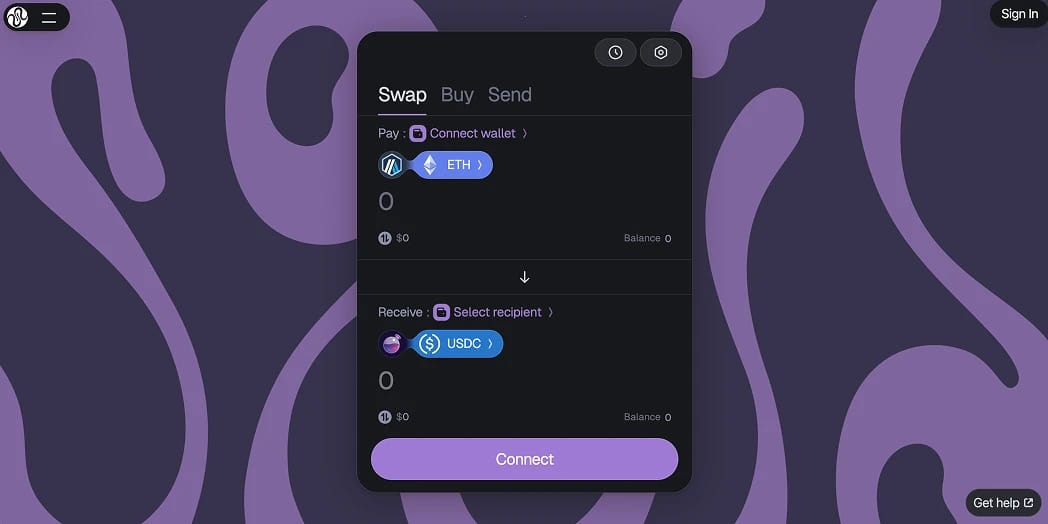
We rate Squid Router as the most capable way onto Osmosis. It runs on the Axelar network, carries the native Cosmos support most EVM-first bridges lack, and has settled more than $6 billion across nine audits with no exploit on record. One transfer swaps ETH on Ethereum into OSMO or USDC on Osmosis, with no manual wrapping or intermediate steps.
Here is how to bridge to Osmosis with Squid Router:
- Connect your wallets: Open Squid Router and link both your EVM wallet (MetaMask) and your Cosmos wallet (Keplr or Leap).
- Set source and destination: Pick the chain and token you are sending from, then select Osmosis as the destination and the asset you want to receive.
- Enter the amount: Type the amount to transfer and review the quoted output, gas estimate and slippage before approving.
- Confirm the transfer: Approve the transaction in your wallet. Funds usually land on Osmosis within one to two minutes, ready to trade, pool or stake.
What Are the Fees?
Squid charges no aggregator fee, and stablecoin swaps carry no protocol fee. Your total cost is the network gas on the chain you send from plus a small bridge fee to Axelar's relayers, both shown before you confirm. That bill depends mainly on your origin chain.
- Ethereum Mainnet: Gas typically runs $3 to $15 depending on congestion, the largest single cost in most transfers.
- Layer 2 networks (Arbitrum, Base, Optimism): Usually well under $1.
- Other Cosmos chains: IBC relaying is effectively free, so a transfer from the Cosmos Hub or Celestia costs only a fraction of a cent in native gas.
On larger transfers, watch slippage at the destination, since Osmosis pool depth varies by pair. Sending a stablecoin like USDC and swapping into your target asset on Osmosis itself often gives the tightest pricing.
Best Osmosis Bridges
Squid is our default pick, but several paths reach Osmosis depending on where your funds start. Here is how the main options compare:
IBC Eureka, Alloyed Assets and Bitcoin on Osmosis
The biggest recent change is IBC Eureka, launched by Interchain Labs in April 2025. Built on IBC v2, it links Ethereum to the Cosmos Hub through a light client, turning the Hub into a router that every IBC chain, Osmosis included, can reach without a third-party bridge. Ethereum transfers now settle in under a minute for $1 to $2, down from the $15-plus these moves once cost.
Osmosis now unifies bridged tokens through Alloyed Assets. Every wrapped version of BTC or ETH trades as a single token, allBTC or allETH, so deposits from every bridge collapse into one pool instead of fragmenting across a dozen contracts. That deepens liquidity and tightens pricing.
Native Bitcoin is the other shift. The Nomic bridge lets you deposit BTC straight from the Bitcoin network for allBTC with zero fees, making Osmosis one of the few venues to trade real BTC without a custodian. Staking through Babylon pushes more BTC into Cosmos DeFi.
About Osmosis
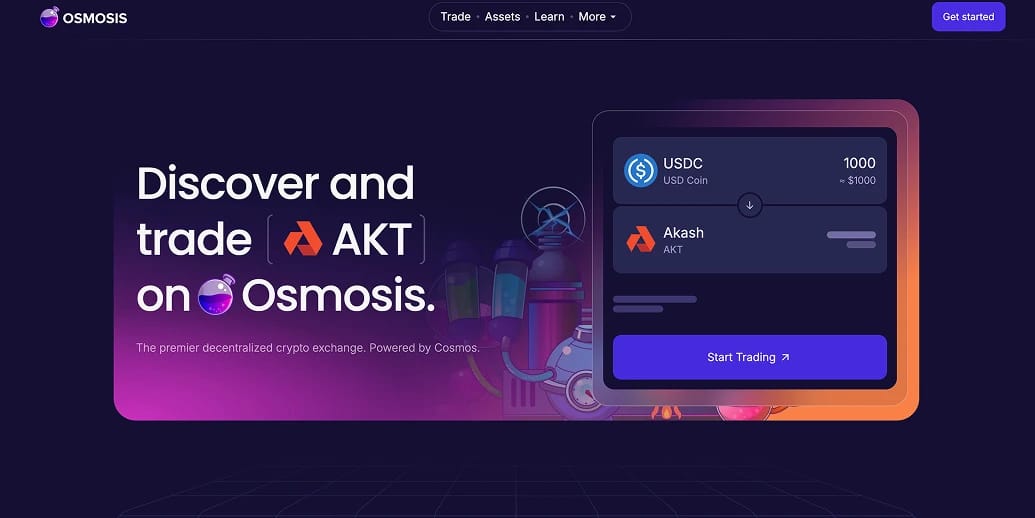
Osmosis is the largest decentralised exchange in the Cosmos ecosystem and the first IBC-enabled application to find product-market fit after its 2021 launch. Founders Sunny Aggarwal, Dev Ojha and Josh Lee previously built parts of the Cosmos SDK and IBC at Tendermint.
The chain connects to more than 80 IBC networks and has processed over $40 billion in lifetime volume. Beyond token swaps it offers concentrated liquidity pools, superfluid staking, on-chain order books and the Alloyed Asset system, giving traders a centralised-exchange feel while keeping assets self-custodied. Its 2026 footprint is smaller than its early peak, with TVL in the tens of millions, yet it remains the default liquidity hub for appchains with no native exchange of their own.
Bottom Line
Getting onto Osmosis is far smoother than a year ago. Squid Router handles the common case well, swapping assets from Ethereum, Solana or another Cosmos chain into Osmosis in one transaction, while the Osmosis app's deposit screen and IBC Eureka offer direct alternatives.
Whichever you pick, confirm the destination address and keep a little OSMO on hand for Cosmos gas before trading, pooling or staking across the interchain.
.webp)