







Can I Buy Bitcoin with Westpac?
Yes, but not directly inside the Westpac banking app. The easiest path was funding an AUSTRAC-registered crypto exchange in Australia with AUD from a Westpac account.
We tested transfers from a personal Westpac account to two types of crypto exchanges: a local AUSTRAC-registered platform and an international exchange with Australian registration.
The transfer to the local exchange immediately cleared with zero friction. The deposit to the second platform took 24 hours to clear but came with added friction, such as payment reviews, payee checks, or delays before funds were credited.
How to Buy Crypto with Westpac Bank
When we buy crypto from a Westpac account, we use CoinSpot first. It is an Australian exchange with AUSTRAC registration and a broad coin list, so it gives Westpac customers a straightforward AUD funding path.
For Westpac users, we start with PayID when it is available because it is usually the fastest route, then use bank transfer as the backup. However, CoinSpot also accepts PayPal, credit/debit cards, and cash deposits.
Start buying crypto with Westpac by following this guide:
- Account Setup: Create your CoinSpot account and complete ID checks before you move money, so your deposit is not held up at the last step.
- Fund Account: Open CoinSpot, tap Deposit Funds, and load the AUD deposit instructions for your chosen method.
- Select Payment Method: Use PayID first for speed, then switch to bank transfer if that is the cleaner fit for your Westpac setup.
- Buy Crypto: Once the AUD arrives, open Buy/Sell and purchase Bitcoin, Ethereum, USDT, or the asset you want.
.webp)
Fees and Deposit Limits for Westpac Customers
When we use Westpac to buy crypto, we keep the process simple: send AUD by PayID or bank transfer to an AUSTRAC-registered exchange, then check trading fees once the funds arrive.
That route is usually smoother than card purchases, which are more likely to hit extra fraud checks or fail. Here are the fees you might encounter when using an exchange:
Deposits and limits
- Daily transfer limit: Westpac’s default Online Banking Daily Payment Limit is $750 for customers aged 14 or over.
- Maximum you can set: Westpac says you can change your Daily Payment Limit in Online Banking or the Westpac App, and the maximum available is shown to you when you update it. To raise the limit, you need to be registered for a Security device.
- Daily payment limits: Pay Anyone, Osko, and international payments all count toward the same Daily Payment Limit. If a crypto deposit fails, one of the first things we would check is whether the transfer size exceeds the limit.
Trading and withdrawals
- Deposit fees: These depend on the exchange and the deposit method. On CoinSpot, PayID and direct deposits are free, while card deposits cost 1.88%, PayPal costs 0.5%, and cash deposits cost 2.5%.
- Trading fees: We check the fee at the order screen before buying. On CoinSpot, instant buy, sell, and swap orders cost 1%, while market orders cost 0.1%.
- Withdrawals back to Westpac: CoinSpot says AUD withdrawals to an Australian bank account are free, and its learning material says the first withdrawal may take up to one business day, with later withdrawals usually faster.
Westpac Cryptocurrency Policy
We reviewed Westpac’s crypto policy and matched them against the payment flow a customer is most likely to hit when sending money to a crypto platform. Westpac now uses cryptocurrency blocks for payments to certain digital currency exchanges as part of its anti-scam controls.
If a Westpac payment is flagged, the outcome can depend on the rail you use. In practice, that means some exchange payments may be stopped before they settle, while others may run into extra warnings, payee checks, or review prompts first.
For that reason, when we fund crypto from Westpac, we stick to platforms registered with the Australian Transaction Reports and Analysis Centre (AUSTRAC). That is the route least likely to create avoidable friction.
Best Crypto Exchanges for Westpac Customers
When we fund a crypto account from Westpac, we keep the shortlist tight and stick to AUSTRAC-registered exchanges that support PayID and AUD bank transfer.
See the table below for the exchanges we rate most highly for Westpac users and the deposit methods that are most likely to clear cleanly.
About Westpac Bank
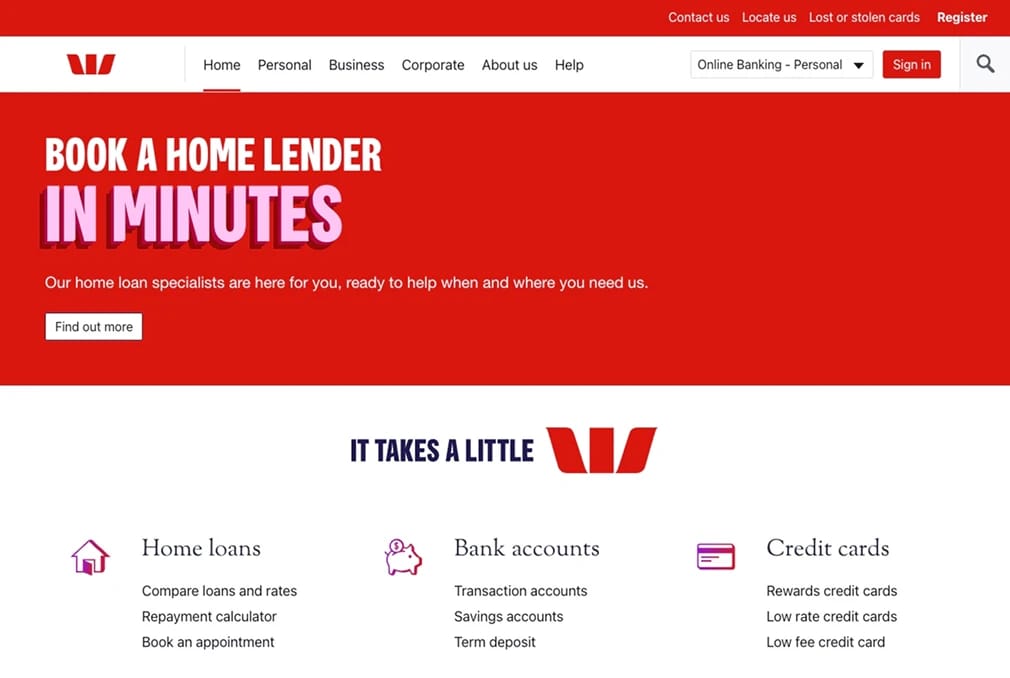
Westpac is one of Australia’s major banks and the country’s oldest bank, tracing its roots to 1817 as the Bank of New South Wales before becoming Westpac Banking Corporation in 1982.
What defines Westpac today is not just scale but how deeply it is built into everyday Australian banking: transaction accounts, home loans, business banking, institutional banking, and wealth services across Australia and New Zealand.
Final Thoughts
Westpac can work well for crypto funding, but only when you use it the right way: send AUD by PayID or bank transfer to an AUSTRAC-registered exchange, check the payee details closely, and start with a small test deposit before increasing the amount.
That approach gives you the best chance of avoiding payment blocks, extra scam checks, and unnecessary delays, while keeping fees lower than most card-based purchases.
%2520(1)%2520(1).webp)