




What is Ostium Protocol?
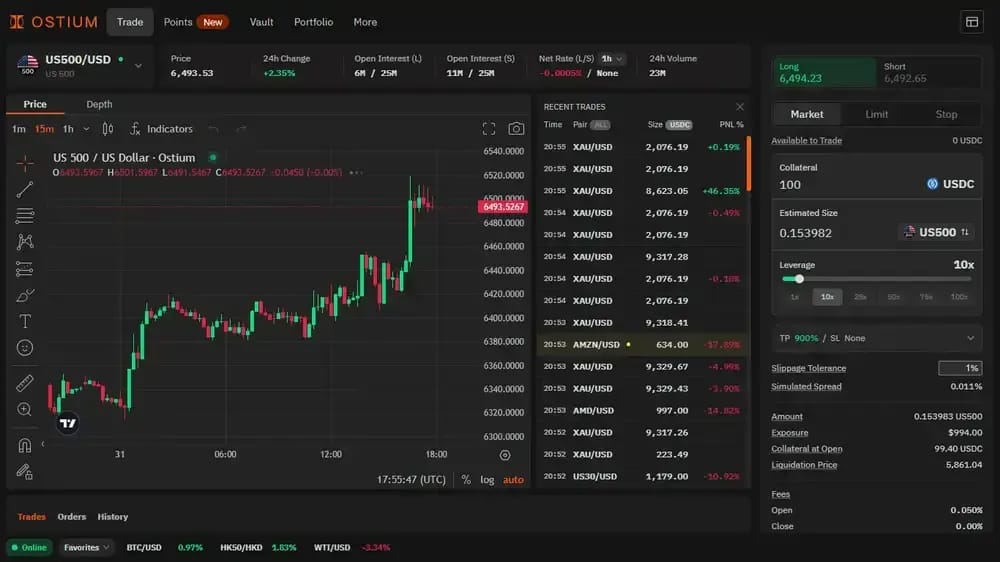
Ostium Protocol is an open-source decentralized exchange on Arbitrum that offers non-custodial perpetual exposure to real-world assets and crypto. Rather than tokenizing offchain assets, it lets users trade synthetic price exposure fully onchain using smart contracts, oracle data, and stablecoin collateral.
The protocol supports perpetual markets across forex, commodities, indices, stocks, and blue-chip cryptocurrencies. Traders can open long or short positions, use market, limit, and stop orders, and manage collateral, take-profit, and stop-loss settings from a single onchain trading venue.
Ostium is built around a pool-based perpetuals design. A single onchain vault accepts USDC from liquidity providers, mints OLP to represent their share, and helps settle trader profit and loss, fee flows, and liquidation outcomes according to the protocol’s collateralization state.
The broader Ostium stack includes Ostium Labs, the protocol smart contracts, and the user interface. The protocol handles execution and settlement, while the interface is one access layer; governance is planned to become more community-led, though it has not formally launched.
How Does Ostium Protocol Work?
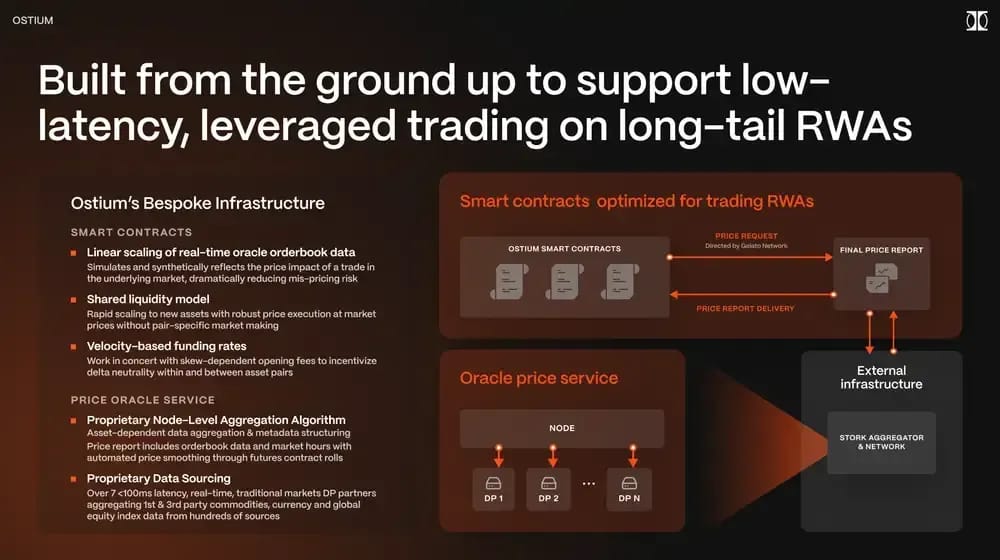
Ostium's architecture combines oracle-based pricing, an onchain liquidity vault, and automated execution infrastructure to deliver synthetic perpetual exposure to crypto and real-world markets.
Core mechanics at a glance:
- Markets: Users trade synthetic perpetuals on forex, commodities, indices, stocks, and crypto, gaining price exposure without owning or taking delivery of underlying assets.
- Collateral: Positions are collateralized in Arbitrum USDC, while built-in deposit flows can bridge or convert other assets into usable trading collateral.
- Vault: A single onchain vault accepts LP capital, mints OLP, backs markets, collects fees, and absorbs specific profit-and-loss flows depending on collateralization.
- Pricing: Ostium uses Stork-operated in-house RWA feeds for traditional assets and Chainlink Data Streams for crypto market pricing and execution logic.
- Execution: Orders execute against bid/ask prices or Price-After-Impact, depending on pair configuration, liquidity conditions, and short-term order-flow pressure.
- Orders: Traders can place market, limit, and stop orders, then manage take-profit, stop-loss, collateral adjustments, and partial closes over time.
- Automation: Gelato Functions and related keeper infrastructure monitor prices and positions, triggering liquidations, limit orders, stop losses, take profits, and price requests.
- Fees: Opening fees are charged once, while ongoing holding costs come from funding on crypto pairs or rollover on non-crypto markets.
- Settlement: PnL, rollover, and liquidation flows settle through the protocol’s contracts, with vault behavior changing when the system is undercollateralized or overcollateralized.
How to Trade on Ostium
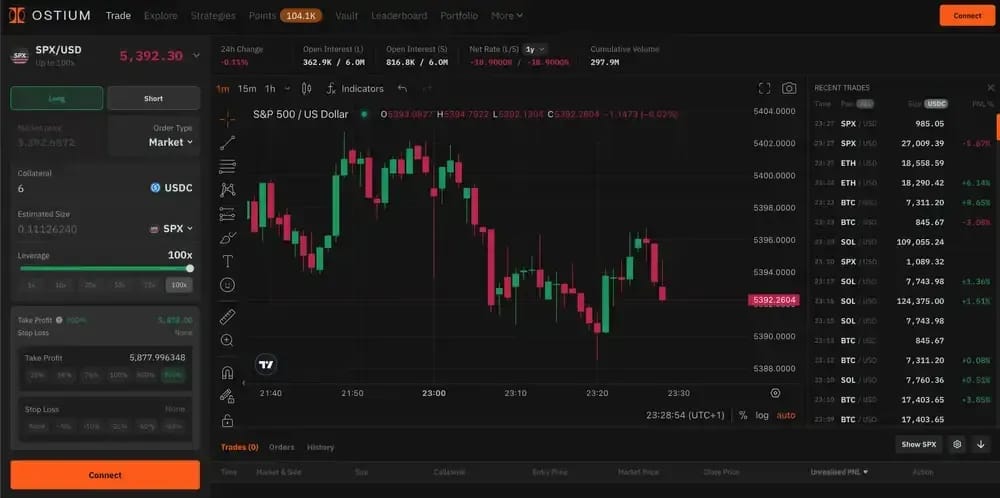
Trading on Ostium is straightforward: connect an account, fund with Arbitrum USDC, choose a market, configure risk settings, place the order, and monitor it.
1. Create Your Trading Access
Choose your login method and prepare your account first.
- Visit the Ostium Protocol application on web or mobile.
- Click Connect and choose email or a Web3 wallet.
- Email creates a simpler gasless smart-account trading experience.
- Wallet login suits users wanting direct self-custody controls.
2. Fund Your Account
Deposit collateral before opening any leveraged position onchain.
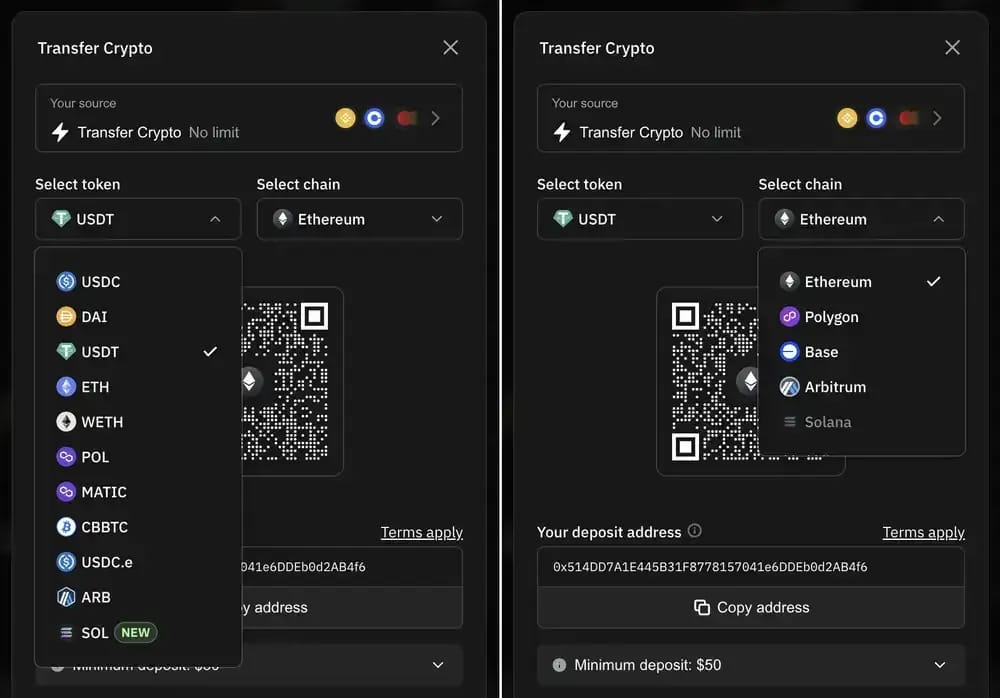
- Send Arbitrum USDC directly or use the built-in flow.
- Other assets can be automatically converted and bridged.
- Confirm funds arrive before selecting size and leverage.
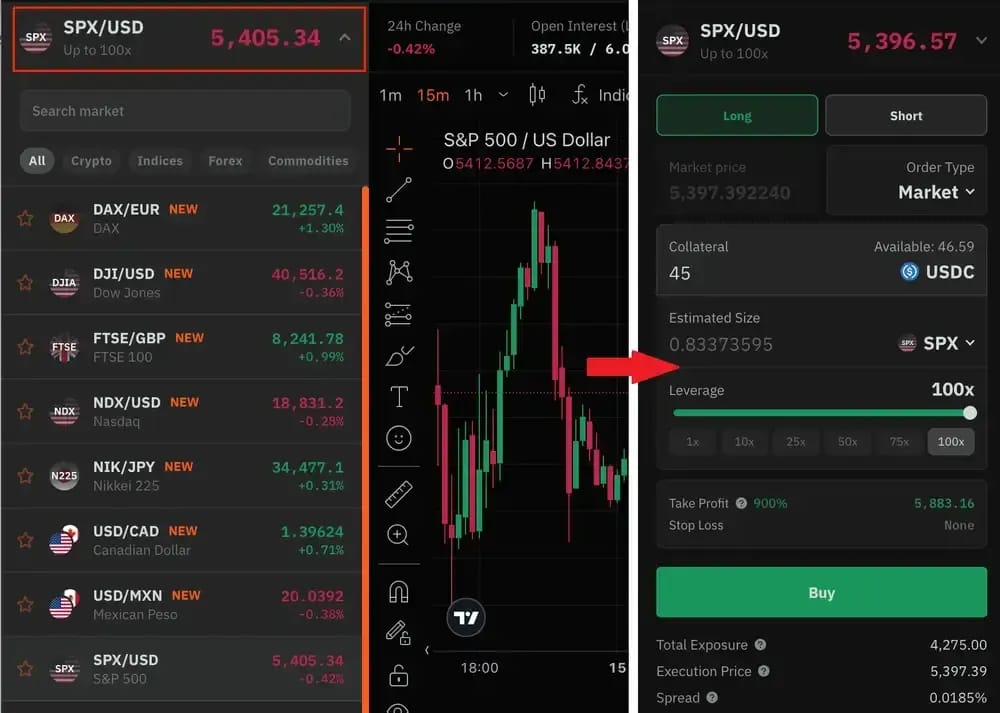
3. Select Trade Parameters
Define exposure, direction, order type, and leverage carefully.
- Pick the asset, then choose long or short.
- Set collateral, leverage, and optional take-profit or stop-loss.
- Choose market, limit, or stop execution for entry.
4. Review and Place Orders
Check costs, triggers, and execution details carefully before opening trades.
- Inspect the opening fee and displayed net rate.
- Review execution pricing, including bid-ask or price impact.
- Submit the order once sizing and slippage look acceptable.
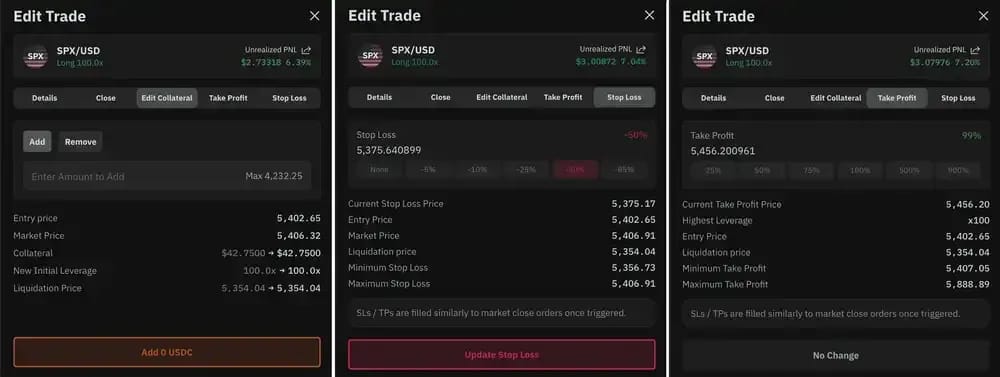
5. Manage and Exit Positions
Adjust risk settings and close positions when needed.
- Add or remove collateral as market conditions change.
- Edit take-profit and stop-loss levels on open trades.
- Fully or partially close positions when your thesis changes.
Ostium Protocol Fees
Ostium uses a split fee model built around opening and holding costs rather than charging again on normal closes. Traders pay a one-time opening fee, while manual, take-profit, and stop-loss exits avoid an additional protocol closing fee unless liquidation occurs.
Beyond protocol trading fees, oracle-related actions can incur a flat 0.10 USDC charge. This applies to actions such as placing market opens, partial closes, collateral removal, and some limit-order flows, while successful full closes refund the upfront oracle fee.
Holding costs differ by asset class. Crypto pairs use funding payments driven by open-interest imbalance between longs and shorts, while non-crypto markets use rollover fees reflecting carry costs such as interest-rate differentials, storage, borrow, or convenience yield.
Does Ostium Have a Token?
Ostium does not currently have a live protocol token. The documentation discusses OLP, but that is the liquidity-provider token representing vault shares rather than a general governance or utility token.
The points program states that points have no monetary value, are non-transferable, and do not represent ownership or future rewards. Governance may become more community-led over time, but no formal token launch is described here.
Ostium Protocol Points Program
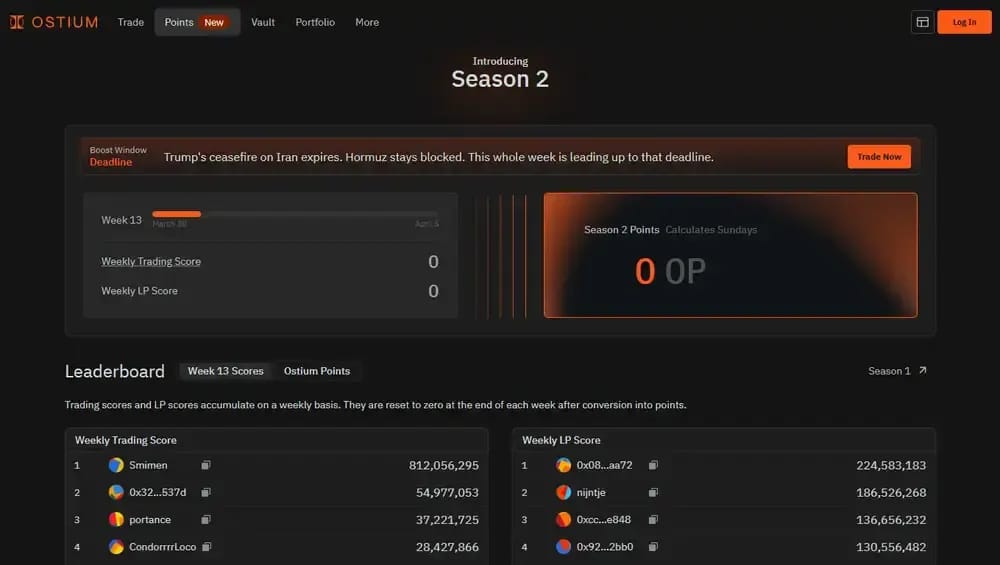
Ostium’s points program tracks platform participation across trading, referrals, liquidity provision, and selected technical contributions. Scores update in real time, then convert into points weekly based on relative user activity.
Main points program facts:
- The program launched on March 31, 2025, at 10:00 AM ET.
- Ostium allocated 10 million points retroactively to earlier participants.
- A minimum of 500,000 points is allocated each week.
- Weekly score conversion happens every Sunday at midnight UTC.
- The system tracks Trading/Referral scores and Liquidity Provision scores.
- Referral mechanics award 1 trading score per 5 scores generated by referred users.
- Users who join with a referral code receive a 5% trading-score boost.
- A small portion of points may be reserved for substantial open-source contributions.
The program is designed as an engagement system, not a financial instrument. Ostium states that points cannot be transferred, sold, or exchanged, and may be modified or ended at the protocol’s discretion.
Ostium Protocol Founders
Ostium was founded by Kaledora Kiernan-Linn and Marco Antonio Ribeiro, Harvard classmates who later launched Ostium Labs to build an onchain perpetuals venue for real-world assets and crypto. Multiple sources identify them as the company’s two co-founders.
Kiernan-Linn serves as co-founder and CEO, while Ribeiro serves as co-founder and CTO. Ostium’s 2023 fundraising post says both founders met in a freshman economics class at Harvard and briefly worked at Bridgewater before starting the company.
Is Ostium Protocol Safe?
Ostium presents several security signals, including multiple smart-contract reviews and a defined oracle-plus-automation architecture. The documentation lists audits by Zellic, ThreeSigma, and Pashov, alongside disclosed mainnet and testnet contract addresses, which improves transparency for users evaluating deployment risk.
The audit materials referenced in the docs include one Zellic report, one ThreeSigma report, and two Pashov security reviews dated January 21, 2025 and April 6, 2025. Ostium also says it worked with Chaos Labs on research and an economic audit process.
That said, audited code is not the same as risk-free code. Traders still face smart-contract, oracle, automation, liquidation, and market-structure risks, especially because Ostium relies on external price feeds and offchain infrastructure partners to support high-speed execution.
Risks of Ostium
Even with audits and transparent design, Ostium remains a leveraged onchain derivatives venue, so users should assess operational, market, and infrastructure risks before trading.
Key risk areas users should understand include:
- Leverage: High leverage can magnify small market moves into rapid losses, causing positions to approach liquidation much faster than unleveraged spot exposure.
- Liquidation: Ostium uses automated liquidation mechanics, and once a liquidation triggers, traders do not receive remaining collateral back from the position.
- Smart contracts: Bugs, upgrade issues, or unexpected interactions across Ostium’s smart contracts could affect execution, collateral accounting, withdrawals, or settlement outcomes.
- Oracles: The protocol depends on external price feeds for RWA and crypto execution, so stale, delayed, or faulty data can distort fills.
- Automations: Gelato-based keeper infrastructure monitors orders and liquidations, meaning outages or execution delays could affect stop-loss, take-profit, or limit behavior.
- Market hours: Non-crypto assets follow scheduled trading hours and holidays, so orders may queue during closures and execute only after markets reopen.
- Rollover: Non-crypto positions accrue rollover fees over time, and crypto pairs face funding dynamics that can materially change holding costs.
- Price impact: Some pairs use dynamic spreads and Price-After-Impact execution, which can make large or one-sided trades fill worse than expected.
Final Thoughts
Ostium is building a specialized perp DEX for traders who want onchain access to macro and crypto markets from one collateral base.
Its core differentiator is synthetic perpetual exposure to tokenized stocks, supported by oracle infrastructure, automated execution, and a single USDC-backed liquidity vault.
For users comfortable with leverage and onchain risk, Ostium offers a transparent framework, but careful position sizing and fee awareness still matter.