






Compare Top Crypto Airdrops With High Potential
1. Polymarket
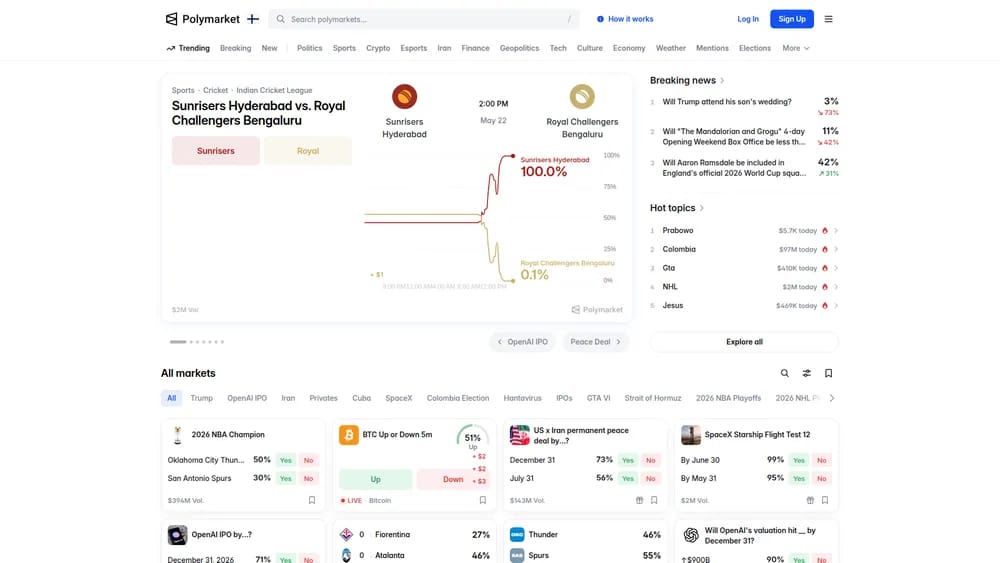
Polymarket is our best overall potential airdrop pick because it already has real product-market fit. The platform describes itself as the world’s largest prediction market, while its July 2025 QCEX acquisition announcement said users made about $6 billion in predictions during the first half of 2025 alone.
From a backing and valuation perspective, we see a rare mix of crypto-native and institutional confidence. Polymarket announced $70 million across two rounds in 2024, then Intercontinental Exchange, the NYSE parent company, said it would invest up to $2 billion at an approximately $8 billion pre-investment valuation.
The key distinction is that a token and airdrop are no longer pure rumor, but the details still are. CoinDesk reported Polymarket CMO Matthew Modabber said, “There will be a token, there will be an airdrop,” while eligibility, snapshot, allocation, ticker, and launch timing remain unconfirmed.
Pros
- Confirmed airdrop signal separates Polymarket from pure speculation.
- Real usage may reward traders, liquidity, and market creation.
- Institutional backing strengthens long-term credibility and distribution.
Cons
- Eligibility criteria remain unknown, including possible regional restrictions.
- Heavy bot activity could complicate fair user-based allocations.
- Regulatory rollout may delay token timing or narrow participation.
2. Base
Base earns its place here, not because an airdrop is confirmed, but because Coinbase keeps pushing more activity onchain. In Q1 2026, Coinbase reported $294 billion in assets on platform and highlighted continued expansion across trading, payments, and onchain products.
The 2026 data is stronger than the old launch story. DefiLlama shows Base with roughly $13.4 billion in bridged TVL, $4.7 billion in stablecoins, about 10.6 million daily transactions, and more than 460,000 active addresses, making it one of the most active Ethereum L2s we can track today.
For airdrop potential, we separate official signals from farming speculation. Base has not announced an airdrop, snapshot, or claim process; however, Jesse Pollak said in 2025 that Base was beginning to explore a network token, while 2026 strategy points toward markets, stablecoins, and developers.
Pros
- Coinbase access gives Base unusually strong user distribution.
- 2026 activity metrics support real demand, not only farming.
- Stablecoin depth could matter if rewards favor utility.
Cons
- No confirmed airdrop, snapshot, tokenomics, or eligibility rules.
- USA regulatory pressure may limit token distribution flexibility.
- Huge user base could dilute rewards for casual participants.

3. Kraken Ink
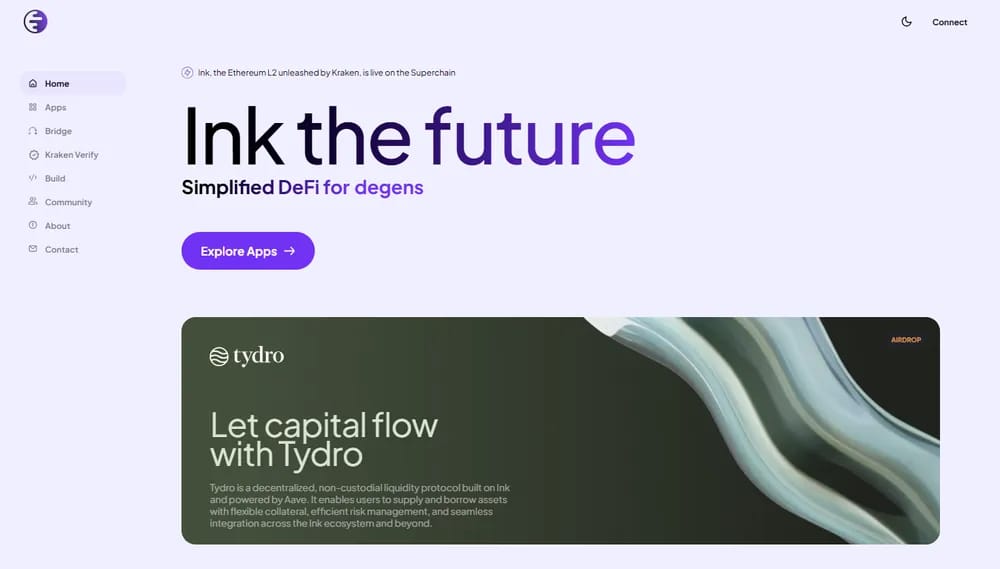
Kraken Ink gives us a more concrete airdrop setup than most exchange-linked chains because Kraken has already confirmed $INK and said an airdrop will follow. $INK is planned for Kraken Drops and will target eligible active Kraken clients and Ink ecosystem participants, though final allocation details are still pending.
The 2026 points layer adds a useful participation signal. Kraken’s Ink Points page says points recognize Kraken Pro activity across trading, holding assets, staking, and engagement; points are added weekly, seasons last four weeks, seasonal points reset, and lifetime points never reset. API activity is excluded, which makes manual or standard platform use more relevant.
We also like that Ink is not only a centralized-exchange campaign. It is an OP Stack Layer 2 in Optimism’s Superchain, built to connect Kraken’s 10+ million users to DeFi, while Superchain Eco lists Ink with roughly $272.8 million in DeFi TVL, Stage 1 status, ETH as gas, and 15% profit share.
Pros
- Official $INK airdrop language reduces token-existence uncertainty.
- Ink Points create weekly, measurable participation signals.
- Kraken plus Superchain gives both CeFi and DeFi exposure.
Cons
- Points-to-token conversion has not been explicitly guaranteed.
- API activity exclusion may disadvantage automated high-volume traders.
- Eligibility may favor Kraken clients over pure onchain users.
4. Hyperliquid
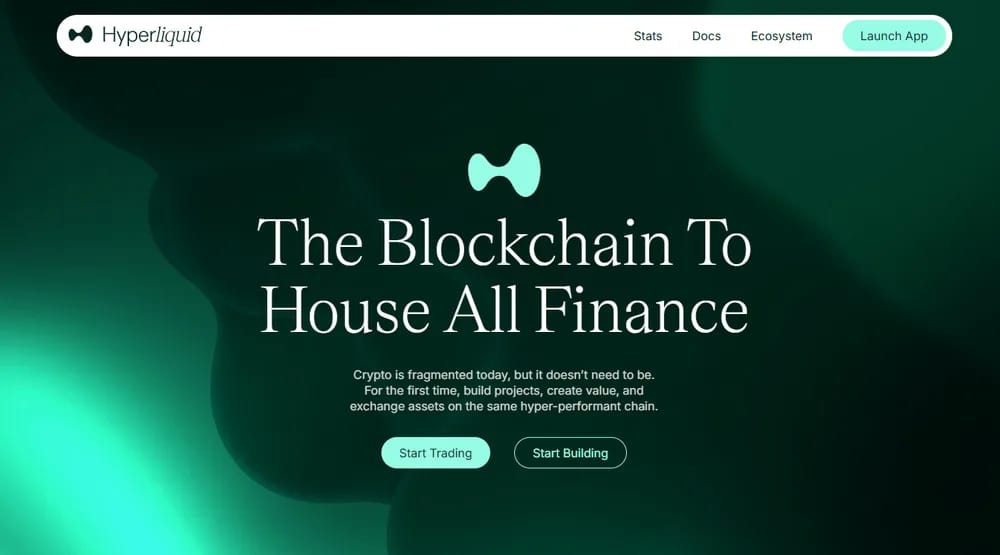
Hyperliquid is the post-genesis reserve play because the first airdrop already proved the team will distribute meaningful value to users. The November 2024 genesis event allocated 31% of supply, roughly 310 million HYPE, to more than 94,000 users, creating one of crypto’s largest retroactive rewards benchmarks.
The current setup still has real room, but wording matters. Hyperliquid’s original tokenomics reserved 38.888% of supply, or 388.88 million HYPE, for future emissions and community rewards; CoinGecko still shows 388,880,000 HYPE as a TBD locked amount, not a confirmed second airdrop allocation pool.
Farming Hyperliquid’s airdrop season 2 now is broader than trading volume alone. We would treat HyperCore perps and spot activity as the base layer, then add HyperEVM usage: bridging HYPE, paying gas, using lending, liquid staking, DEX, vault, and stablecoin apps. Officially, no Season 2 snapshot or formula exists.
Pros
- Massive remaining rewards bucket keeps second-wave speculation alive.
- HyperEVM creates more farming paths than perp volume.
- Original airdrop proves users can receive meaningful allocations.
Cons
- Future rewards are not guaranteed to be airdrops.
- Heavy competition after genesis may reduce marginal rewards.
- HyperEVM farming adds smart-contract and bridge interaction risk.
5. MetaMask
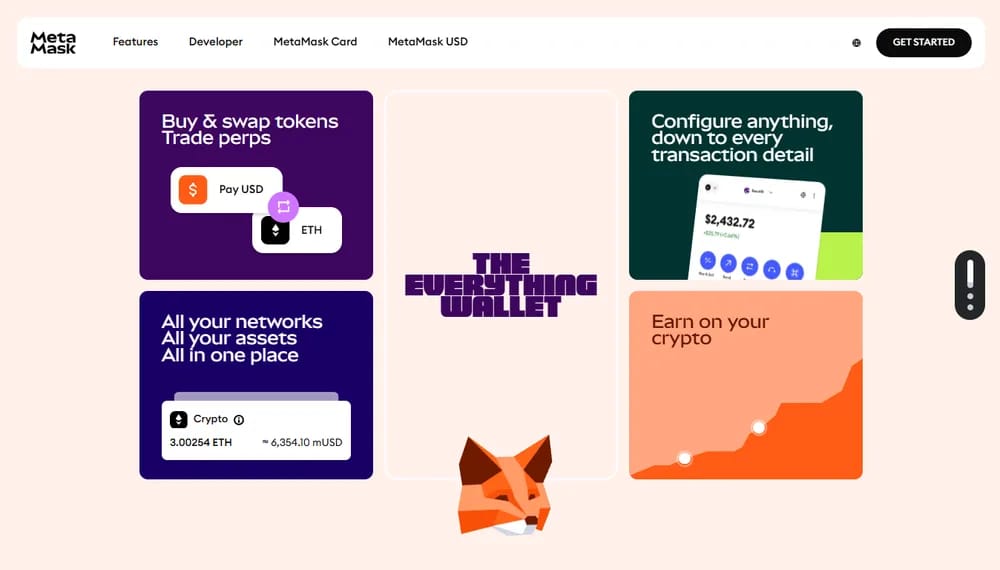
MetaMask fits this list because it sits at the wallet layer, where swaps, perps, bridging, card spending, and dapp connections can all become measurable behavior. Its site calls it the go-to crypto wallet for 100+ million users, giving any future token unusually broad reach.
The 2026 angle is MetaMask Rewards, not just old $MASK rumors. MetaMask says users earn points by trading perps or swapping through the mobile app and extension, with Season 1 offering over $30 million in LINEA, trading-fee discounts, exclusive offers, and future token allocations.
Still, we should separate confirmed rewards from a confirmed airdrop. MetaMask officially confirms the loyalty program, LINEA incentives, and future token allocation language; however, public materials do not confirm a $MASK claim, snapshot, or points-to-token formula. Card activity also matters, with mUSD cashback now live.
Pros
- Rewards dashboard gives users visible points and progression.
- Wallet activity covers swaps, perps, card, and ecosystem usage.
- Future token allocation wording strengthens the airdrop thesis.
Cons
- No confirmed $MASK claim, snapshot, or conversion formula.
- Massive user base could make allocations highly diluted.
- Rewards eligibility may depend on supported regions and products.
6. OpenSea
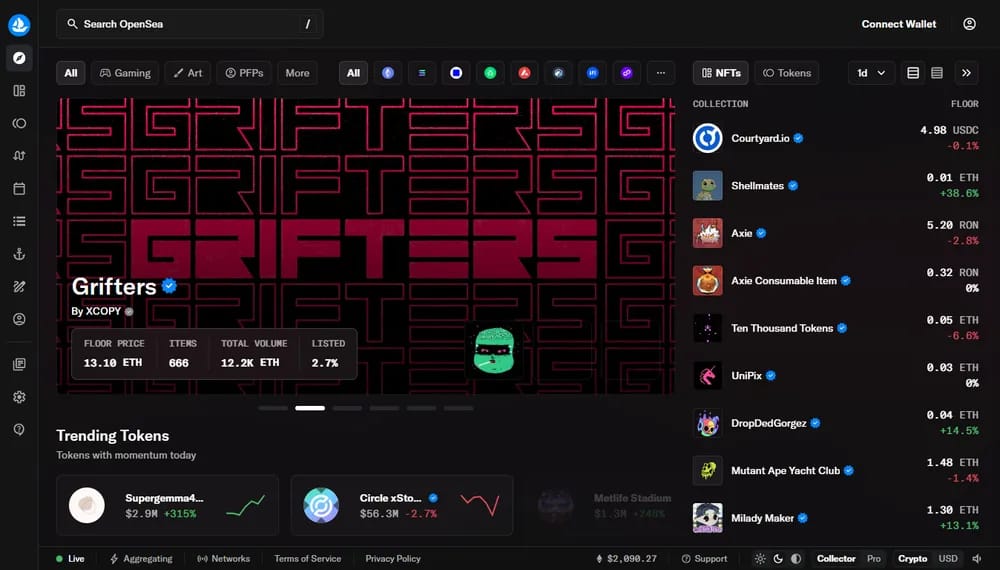
OpenSea belongs in the 2026 conversation because $SEA is confirmed, not just teased. The latest plan allocated 50% of SEA supply to the community, with more than half of that community share planned for an initial claim covering OG users and rewards participants separately.
The current farming path is more concrete than old NFT-volume speculation. OpenSea’s support page says users can level up their Treasure Chest by completing Voyages and buying or selling tokens and NFTs, while its May 2026 update says the current rewards wave is the last planned wave.
The main twist is timing. OpenSea originally targeted Q1 2026, but Devin Finzer delayed the SEA launch in March, citing market conditions and the need for a stronger rollout; that makes activity useful, but still not a guaranteed points-to-token formula.
Pros
- Confirmed SEA token gives clearer upside than vague rumors.
- Treasure Chest mechanics make participation visible and trackable.
- OG users and rewards participants are considered separately.
Cons
- SEA launch has already been delayed beyond Q1 2026.
- Rewards wave ending may limit late farming opportunities.
- Exact allocation formula and claim date remain undisclosed.
7. Abstract
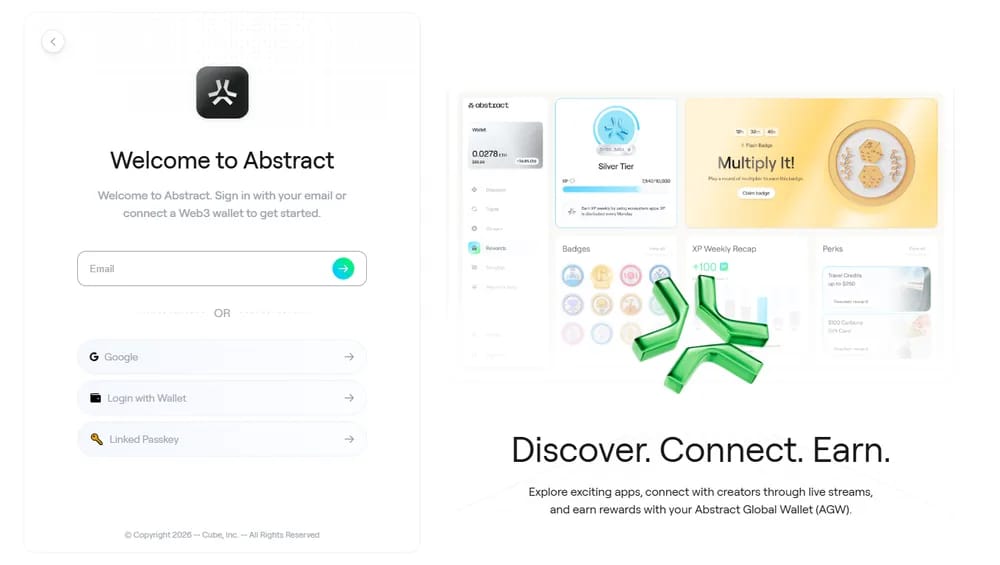
Abstract fits our 2026 list because its farming path is still active and built around consumer-style behavior rather than only bridge volume. The Portal is Abstract’s main user hub, where users manage Abstract Global Wallet, earn XP and badges, and discover ecosystem apps and creators.
The project also has credible backing behind the consumer-chain thesis. Igloo Inc., the Pudgy Penguins parent company contributing to Abstract through Cube Labs, raised more than $11 million in 2024 in a Founders Fund-led round, with participation from 1kx, Fenbushi, EVG, Selini, and others.
We should still label this as potential, not confirmed. Abstract has not officially announced a token or airdrop, but the activity layer is measurable: DefiLlama shows about $121 million in bridged TVL to Abstract Chain with over 62,247 active addresses, and 3.27 million daily transactions.
Pros
- XP and badges create visible progress signals.
- Portal Streaks keep 2026 farming activity open.
- Pudgy ecosystem adds strong consumer-brand distribution potential.
Cons
- No confirmed token, snapshot, or XP conversion formula.
- XP farming may become crowded before any announcement.
- Consumer apps can generate shallow, low-value interactions.
What is a Crypto Airdrop?
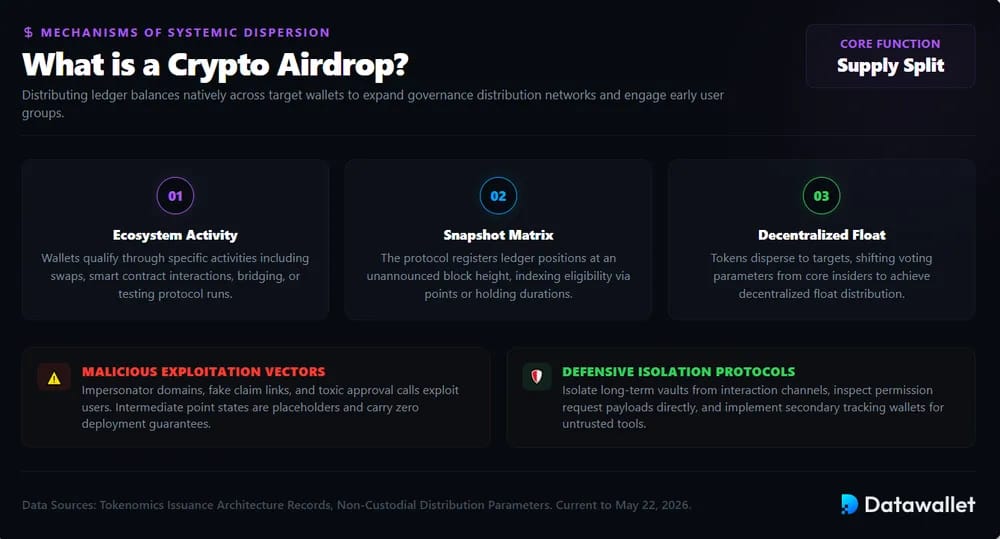
A crypto airdrop is a token distribution where a blockchain project sends coins or tokens to selected wallet addresses. Projects use airdrops to reward early users, attract attention, and distribute ownership across a wider community instead of keeping supply concentrated with insiders.
Airdrops can be automatic or activity-based. Some projects reward users for holding an asset, while others require actions such as trading, staking, bridging, using an app, joining a campaign, or completing social tasks. Each project sets its own rules, eligibility period, and claim process.
For users, airdrops can be valuable because they may provide early exposure to a new token without a direct purchase. However, the reward is never guaranteed. Points, badges, testnet activity, or app usage may improve eligibility, but they do not always convert into tokens.
Airdrops also come with risk. Fake claim pages, malicious wallet approvals, and impersonator links are common. Users should verify official domains, avoid sharing seed phrases, check transaction permissions, and treat unconfirmed airdrop guides as speculation until the project publishes final details.
How to Farm Crypto Airdrops
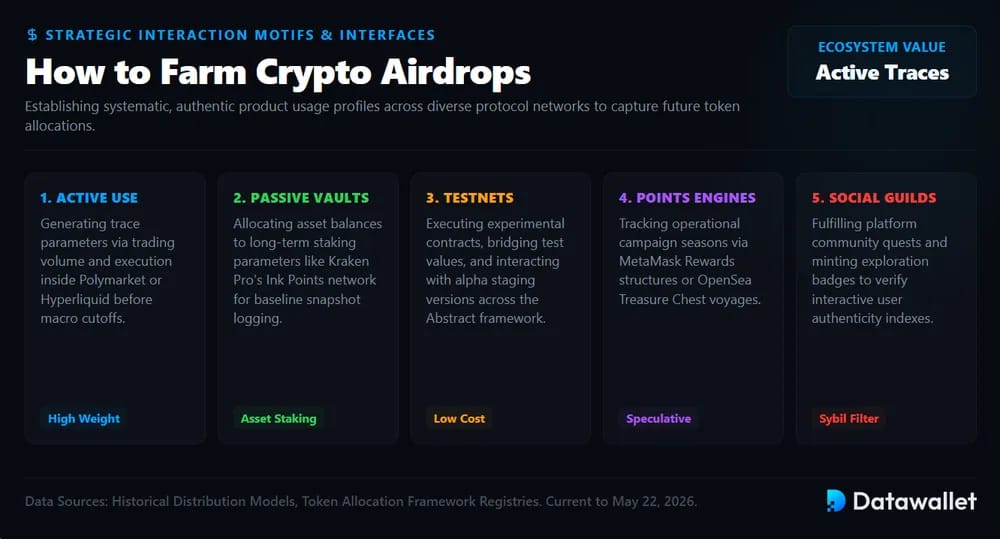
Airdrop farming means using crypto apps early and consistently so a wallet may qualify for future token rewards. Good farming focuses on real activity, official campaigns, and safe wallet habits.
1. Active Protocol Usage
Active farming means using a protocol’s main product before final eligibility rules are announced. Examples include swapping on Uniswap before UNI, using Arbitrum before ARB, or trading on Hyperliquid before HYPE. These cases rewarded users for real protocol interaction.
We usually look for actions that create value for the app. Trading volume, liquidity, recurring wallet activity, and product-specific usage are stronger than one-off clicks. Current examples include Polymarket trading, Hyperliquid perps and spot, and OpenSea token or NFT activity.
2. Passive Holding and Staking
Passive farming focuses on holding or staking assets that may qualify for a future distribution. Some airdrops reward wallets holding a token, NFT, LP position, or staked asset during a snapshot, even when the user does not manually apply beforehand.
Examples include holding specific ecosystem NFTs, staking assets in Kraken Pro’s Ink Points system, or keeping liquidity positions that protocols may recognize later. Kraken says Ink Points include trading, holding assets, staking, and platform engagement, with points added weekly.
3. Testnets and Early App Testing
Testnet farming means trying apps before they launch on mainnet. Users may request test tokens, bridge test assets, complete quests, report bugs, deploy contracts, or interact with early dApps. This helps projects test products before real funds are involved.
Historical examples include users interacting with early Layer 2 ecosystems before major launches. Current examples include using new app ecosystems on Abstract, testing smaller pre-token protocols, or joining developer-focused campaigns. The upside is low cost, but rewards are rarely guaranteed.
4. Points, XP, and Rewards Campaigns
Many 2026 candidates use points, XP, badges, levels, or leaderboards to measure activity. MetaMask Rewards gives points for swaps and perps, OpenSea uses Voyages and Treasure Chest progress, and Abstract Portal lets users earn XP and badges.
The key is reading the fine print. Points may improve eligibility, but they do not always convert directly into tokens. We prefer campaigns that explain seasons, eligible actions, calculation periods, boosts, and whether rewards are official or only speculative.
5. Quests, Social Tasks, and Community Roles
Some projects reward users for completing quests, joining campaigns, referring users, minting campaign NFTs, or contributing in Discord and governance forums. These tasks are common for early ecosystems that want attention, testing, and community growth before token launch.
Examples include Abstract badges and app discovery, OpenSea Voyages, and MetaMask referrals inside its rewards program. We prioritize tasks connected to product usage over simple follows or reposts, because shallow social farming usually attracts bots and may receive lower weight.
How Are Crypto Airdrops Taxed?
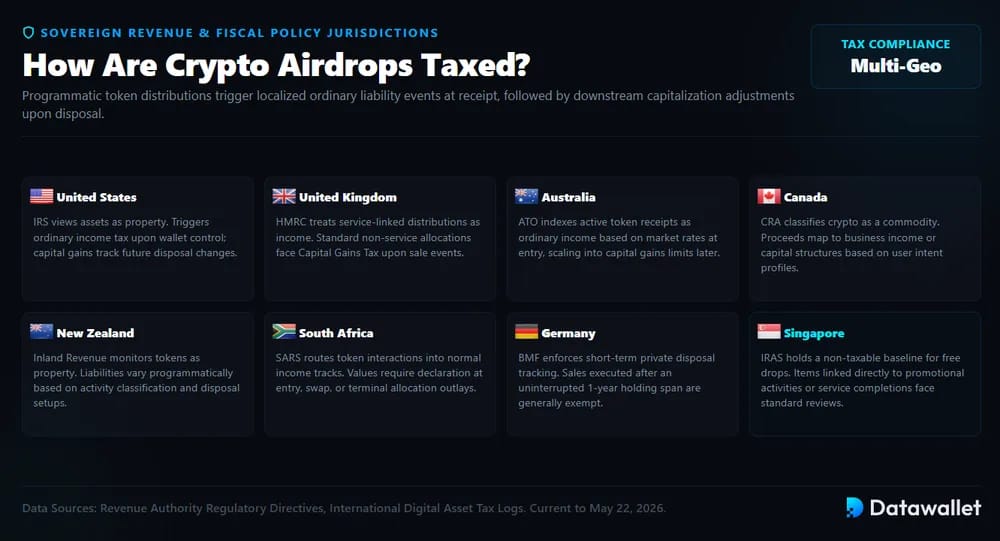
Crypto airdrops can trigger tax when tokens are received, sold, swapped, or used. Treatment depends on local rules, whether the airdrop was earned, and whether the user acts personally or commercially.
Major regions treat airdrops differently, so check local guidance:
- United States: The IRS treats digital assets as property; airdrops can create ordinary income when users gain control, then capital gains later on disposal.
- United Kingdom: HMRC may tax service-based airdrops as income; even untaxed receipt can still create Capital Gains Tax when sold.
- Australia: The ATO usually taxes established-token airdrops as ordinary income at receipt, with CGT applying when tokens are later disposed.
- Canada: The CRA treats crypto as a commodity; airdrop proceeds may be business income or capital gains depending on activity and intent.
- New Zealand: Inland Revenue treats cryptoassets as property; airdrops may be taxable depending on purpose, activity type, and later disposal circumstances.
- South Africa: SARS applies normal income-tax rules to crypto; gains or losses must be declared when received, accrued, sold, or disposed.
- Germany: The BMF generally taxes private crypto disposals within one year; after one year, private sales may be tax-free.
- Singapore: IRAS generally does not tax free airdrops unless tokens are received for goods, services, or promotional work.
Biggest Crypto Airdrops in History
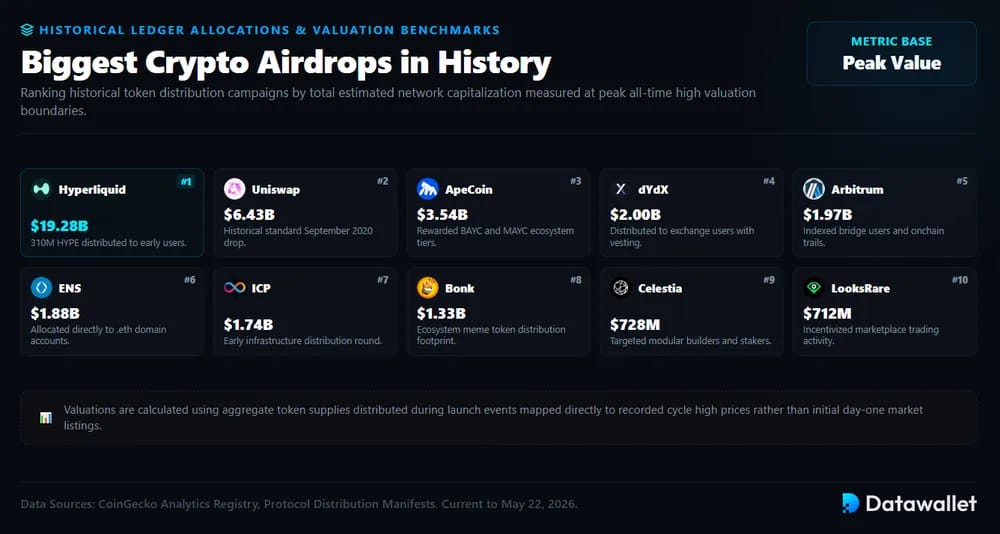
The biggest crypto airdrops are usually ranked by peak token value, not the price on claim day. This favors drops that launched well and later reached major all-time highs.
Ranked by estimated peak value distributed to users:
- Hyperliquid: Hyperliquid distributed 310 million HYPE, or 31% of supply, to early users. At HYPE’s 2026 ATH, that equals roughly $19.28 billion.
- Uniswap: UNI was long considered the largest airdrop, with CoinGecko valuing its September 2020 distribution at $6.43 billion using UNI’s all-time high price.
- ApeCoin: APE rewarded BAYC and MAYC ecosystem holders in March 2022. CoinGecko valued the airdrop at $3.54 billion using APE’s peak token price.
- dYdX: dYdX distributed DYDX to exchange users in September 2021. CoinGecko valued the full airdrop at roughly $2.00 billion at ATH, though vesting applied.
- Arbitrum: ARB rewarded users for bridged funds, onchain activity, and ecosystem participation. CoinGecko valued its March 2023 airdrop at about $1.97 billion.
- Ethereum Name Service: ENS rewarded .eth domain holders in November 2021. CoinGecko valued the distribution at roughly $1.88 billion based on ENS’s all-time high.
- Internet Computer: ICP’s early distribution ranks among the largest historical airdrops. CoinGecko placed its peak-value distribution at about $1.74 billion.
- Bonk: BONK became one of the largest meme-coin airdrops after its price surged in 2023. CoinGecko valued the distribution at about $1.33 billion.
- Celestia: TIA rewarded developers, rollup users, Cosmos participants, and public-goods contributors. CoinGecko valued its October 2023 airdrop at roughly $728 million.
- LooksRare: LOOKS rewarded NFT traders and helped fuel marketplace competition. CoinGecko valued the January 2022 airdrop at about $712 million.
Are Crypto Airdrops Safe?
Crypto airdrops can be safe when users follow official links, use separate wallets, and avoid risky approvals. Legitimate projects usually publish claim instructions through verified websites, documentation, or social channels, and they never ask for a seed phrase or private key.
The main danger is that scammers copy real campaigns before and after major launches. MetaMask warns that suspicious NFT “airdrop” links often lead to phishing sites, while Chainalysis estimated $17 billion was stolen in crypto scams and fraud in 2025.
Risks of Crypto Airdrops
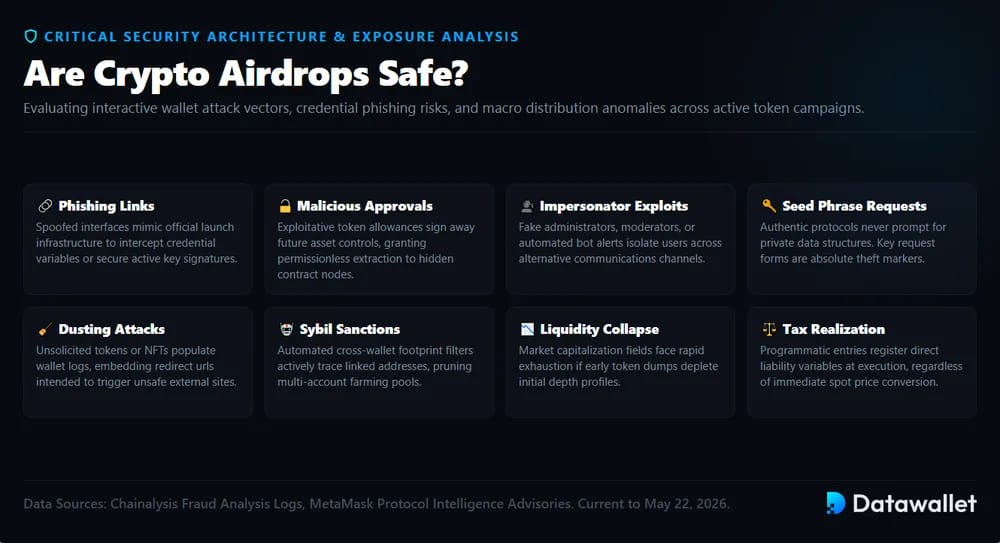
Airdrop risk usually comes from fake claims, unsafe wallet permissions, and weak verification. Before claiming, users should confirm the official domain, check wallet prompts carefully, and avoid rushing because a post, email, or Discord message says time is limited.
Key risks to watch before claiming any crypto airdrop:
- Phishing links: Fake claim pages can steal wallet credentials, signatures, or recovery phrases.
- Malicious approvals: Token approvals may let attackers drain assets later.
- Fake support messages: Scammers impersonate moderators, founders, wallets, or exchange staff.
- Seed phrase requests: Legitimate airdrops never need private keys or recovery phrases.
- Dusting attacks: Unknown tokens or NFTs may lure users to scam websites.
- Sybil filtering: Multiple farm wallets may be excluded from final eligibility.
- Tax surprises: Claimed tokens can create taxable income or disposal events.
- Low-liquidity tokens: Rewards may crash quickly or become difficult to sell.
Final Thoughts
Crypto airdrops can reward early users, but the strongest opportunities usually combine official signals with real product activity. Polymarket, Kraken Ink, MetaMask, OpenSea, and others show why confirmed rewards language matters more than pure speculation.
Users should treat every airdrop as uncertain until eligibility, snapshots, and claim rules are published. We prefer farming through official apps, points systems, and repeat usage, while avoiding fake claim links, risky approvals, and overexposure to unconfirmed campaigns.
Our Methodology
We reviewed potential 2026 crypto airdrops across prediction markets, Layer 2 networks, exchange ecosystems, wallets, NFT marketplaces, DeFi protocols, and consumer-app chains. We then narrowed the list to projects with strong official signals, live activity paths, or credible reward mechanics.
Here is how we evaluated each airdrop:
- Token Signal: We gave stronger scores to projects with official token or rewards language, such as Polymarket’s confirmed airdrop comment, Kraken’s $INK announcement, MetaMask Rewards, and OpenSea’s SEA plan.
- Airdrop Status: We separated confirmed airdrops from speculative opportunities, then ranked confirmed token distributions higher than projects with only points, XP, community rumors, or broad “token exploration” language.
- Farming Access: We looked for practical user actions still available in 2026, including trading, bridging, swapping, staking, referrals, reward points, XP, NFT activity, prediction markets, and app usage.
- Reward Mechanics: We prioritized campaigns with visible progress systems, such as Ink Points, MetaMask Rewards, OpenSea Treasure Chest, Abstract XP, and Hyperliquid ecosystem activity, because users can track participation more clearly.
- Protocol Traction: We reviewed usage signals such as trading activity, active addresses, TVL, stablecoin liquidity, ecosystem growth, and marketplace volume, then favored projects with real demand beyond one-time farming.
- Funding and Backing: We considered strategic investors, valuations, exchange ownership, parent-company support, and ecosystem credibility, especially where backing could increase launch quality or long-term token relevance.
- Community Allocation: We checked whether projects had reserved supply, community rewards, future emissions, or public allocation plans. Hyperliquid, OpenSea, and Kraken Ink scored higher where community distribution was clearer.
- Eligibility Clarity: We favored projects that explain seasons, points, reward periods, eligible actions, or official participation paths. We ranked vague campaigns lower, even when the project itself looked promising.
- Risk Profile: We considered regulatory uncertainty, region restrictions, smart-contract exposure, sybil filtering, eligibility dilution, delayed launches, and whether points clearly convert into tokens or remain speculative.
- User Practicality: We scored airdrops higher when ordinary users could still participate without excessive capital, complex developer work, insider access, heavy leverage, or risky wallet approvals.
.webp)